Marble floors in residential homes typically require professional attention every 12 to 24 months, while high-traffic commercial areas may need service every 6 to 12 months. Factors such as daily foot traffic and surface wear dictate how often marble polishing Bangalore homeowners should schedule to preserve the stone's natural luster and durability.
Does your once-glistening floor now look cloudy despite daily mopping? In Bengaluru, the combination of fine dust and heavy urban foot traffic can quickly strip marble of its natural brilliance, leaving homeowners frustrated with a lackluster surface. Maintaining that pristine, mirror-like finish is not just a matter of pride; it is essential for preserving your premium stone investment against deep-seated stains and microscopic scratches. At Affordable Marble Polishing, we understand the specific environmental factors that affect local flooring. In this guide, we provide a definitive maintenance timeline for residential and commercial spaces, explain how material types like Italian marble differ from Indian varieties, and offer insights into caring for granite or Kota surfaces. You will learn how to identify signs of wear and discover practical strategies to extend the time between professional polishing sessions.
The Reality of Marble Maintenance in Bengaluru Homes and Offices
Bengaluru’s rapid urban transformation brings a specific set of challenges to natural stone surfaces. As a professional floor refining contractor, we observe how the city's unique environmental factors dictate the longevity of a floor's finish. In expanding sectors like Whitefield and Sarjapur, relentless construction activity generates a fine, abrasive dust. When tracked indoors, this grit acts like sandpaper, micro-scratching the surface and stripping away the gloss through daily foot traffic.
While marble is prized for its durability, it remains a porous and chemically reactive material. Bengaluru’s moderate but fluctuating humidity can influence how moisture interacts with these pores, sometimes trapping minerals that lead to a cloudy appearance. Because of these factors, there is no single answer for how often marble polishing Bangalore homeowners should schedule. The requirements for restoration and polishing of marble vary significantly based on the building’s age and location.
Consider the contrast between an older, settled bungalow in Malleshwaram and a modern high-rise apartment in Bellandur. The older home, often shielded by mature greenery and lower traffic, might only require deep maintenance every few years. In contrast, the high-rise unit, exposed to higher wind speeds, construction debris, and modern open-plan living, may need more frequent intervention. We provide complimentary service demonstrations to help residents assess the specific environmental wear on their particular stone surfaces.
Recommended Polishing Intervals: Residential versus Commercial Spaces
The frequency of maintenance depends heavily on the volume of foot traffic and the specific function of the property. For residential homes in established, leafy neighborhoods like Jayanagar or Indiranagar, we recommend scheduling professional polishing every 12 to 18 months. These environments typically face lower shoe traffic compared to public spaces, allowing the protective sealants and the stone’s natural shine to remain intact for over a year. At this interval, a professional floor refining contractor can effectively remove minor surface scratches and refresh the stone's depth before deep damage occurs.
Commercial environments operate under entirely different stressors. For retail outlets on MG Road or expansive corporate lobbies in Electronic City, the sheer volume of daily visitors necessitates a more aggressive maintenance cycle. In these high-activity zones, we suggest a schedule of every 6 to 9 months. The constant friction from footwear, combined with the microscopic grit carried in from the street, acts as a continuous abrasive. Without regular intervention, the stone can lose its slip resistance and aesthetic appeal rapidly.
Understanding traffic patterns is the key to determining how often marble polishing Bangalore businesses and homeowners should invest in. It is common for specific areas within a building to wear at different rates. Entryways, elevator banks, and corridors often require touch up polishing every 3 to 4 months. By targeting these high-wear zones more frequently, you can maintain a uniform appearance across the entire floor without needing a full-scale restoration and polishing of marble for the quieter corners of the building. This targeted approach prevents the traffic lane effect, where the center of a hallway becomes matte while the edges remain glossy. Adhering to these intervals ensures the stone remains a structural asset rather than becoming a maintenance liability.
Signs Your Marble Floors Are Due for Professional Restoration
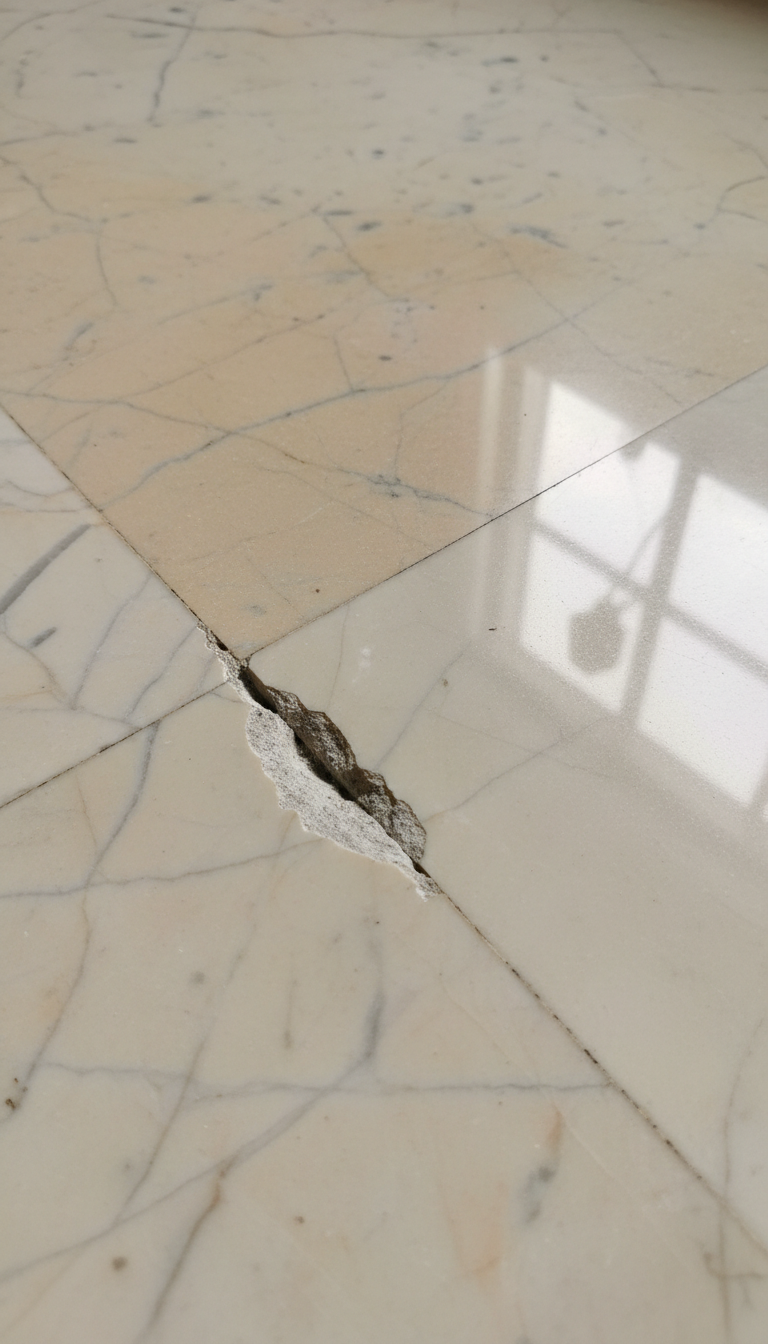
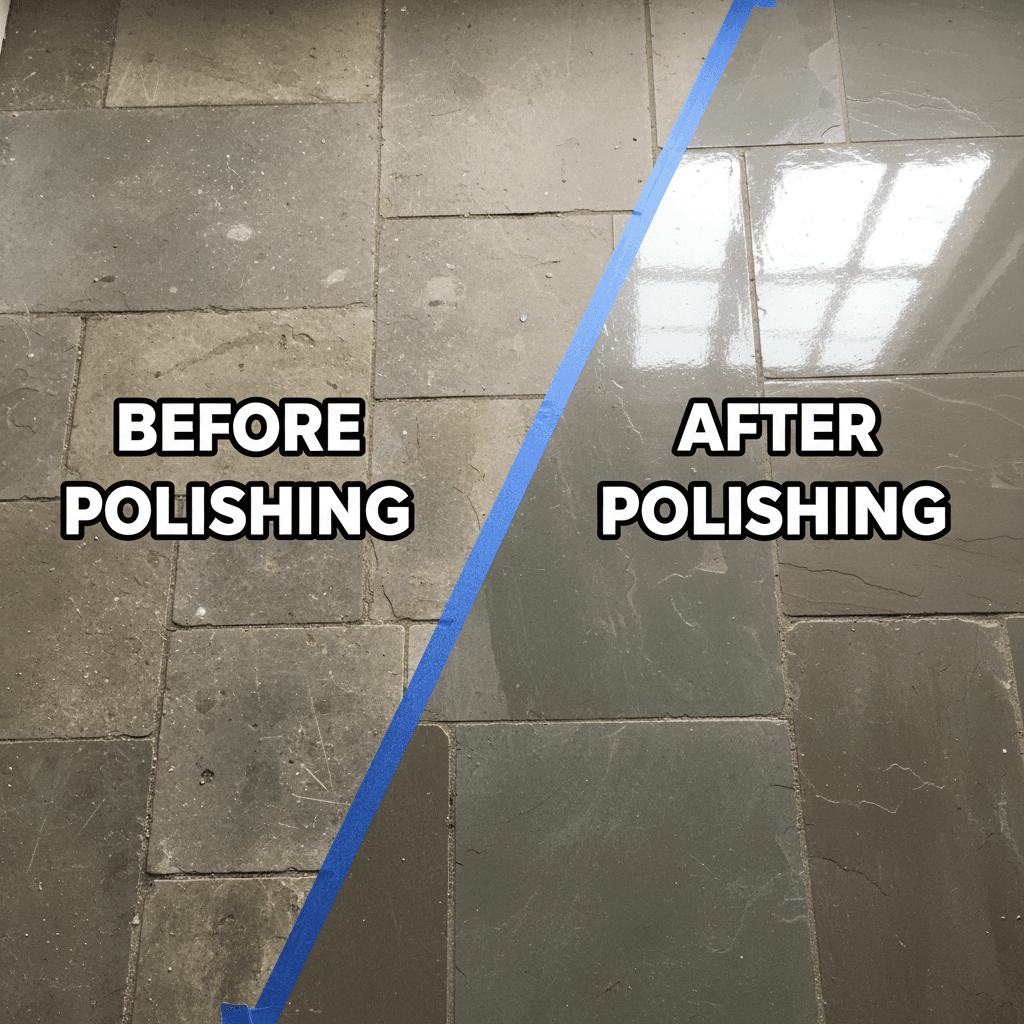
While the recommended intervals provide a general framework, the physical condition of the stone is the ultimate indicator for when to engage a professional floor refining contractor. The most immediate sign is a loss of clarity in the reflection. A well maintained floor possesses a mirror like finish where overhead lights appear sharp and distinct. When these reflections become blurry or cloudy, it indicates that the surface has been abraded by microscopic grit, requiring a professional restoration and polishing of marble to restore the stone's original depth.
You should also monitor your floors for specific chemical damage known as etching. In many Bengaluru households, accidental spills of acidic substances like lemon juice, coffee, or traditional cleansers create dull, light colored spots that cannot be wiped away. These etch marks represent a physical change in the stone's composition that requires professional intervention to repair. Similarly, visible traffic lanes in hallways or near sofas indicate where the polish has been worn down to a matte state, contrasting sharply with the glossier, less used edges of the room.
Tactile signs are equally important. Deep scratches that feel rough to the touch or appear dark because they have trapped dirt are clear signals that the stone requires professional honing. Honing involves using industrial diamond abrasives to grind down the surface level just enough to remove these imperfections before the final polishing stages. Beyond aesthetics, a neglected, dull floor can become a hygiene concern as the open pores of the stone begin to absorb liquids rather than repelling them. We offer complimentary service demonstrations to help you distinguish between simple surface grime and deep seated stone fatigue that requires a full restoration.
Material Matters: Italian Marble versus Indian Marble Timelines
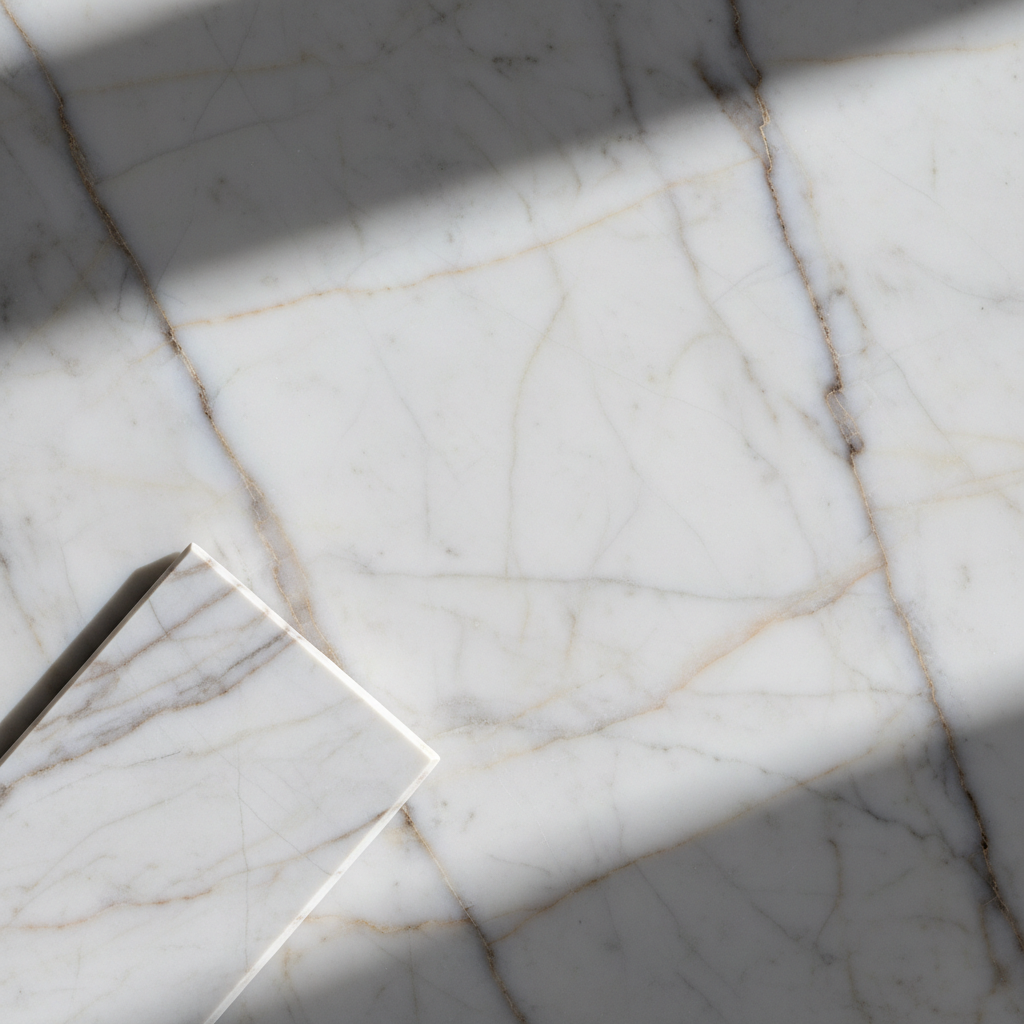
The specific mineral composition of your stone is just as important as traffic patterns when determining a maintenance schedule. In premium Bengaluru residences, imported Italian marbles like Statuario, Botticino, or Carrara are frequently chosen for their unmatched elegance. These stones are chemically softer and significantly more porous than local varieties. Because they are prone to micro-abrasions and deeper liquid absorption, they typically require professional care every 1 to 2 years to sustain that signature high-gloss showroom appearance. During the restoration and polishing of marble, imported stones often require processing with much finer grit diamond abrasives, reaching up to 3000 or 8000 grit, to achieve their peak clarity and mirror-like shine.
Indian marbles, such as those sourced from Makrana or Ambaji, offer a different set of physical characteristics. These varieties are significantly harder and denser. Due to this natural durability, a well-maintained Indian marble floor might only necessitate a full restoration every 3 to 5 years. The increased density allows the stone to resist the abrasive effects of dust and footwear for much longer periods. When assessing how often marble polishing Bangalore property owners should invest in, we prioritize analyzing stone density to ensure the correct grit sequence is applied. As a professional floor refining contractor, we frequently provide complimentary service demonstrations to help clients understand how their specific stone type responds to varying levels of diamond honing and polishing.
Beyond Marble: Maintenance for Granite, Kota, and Mosaic Surfaces
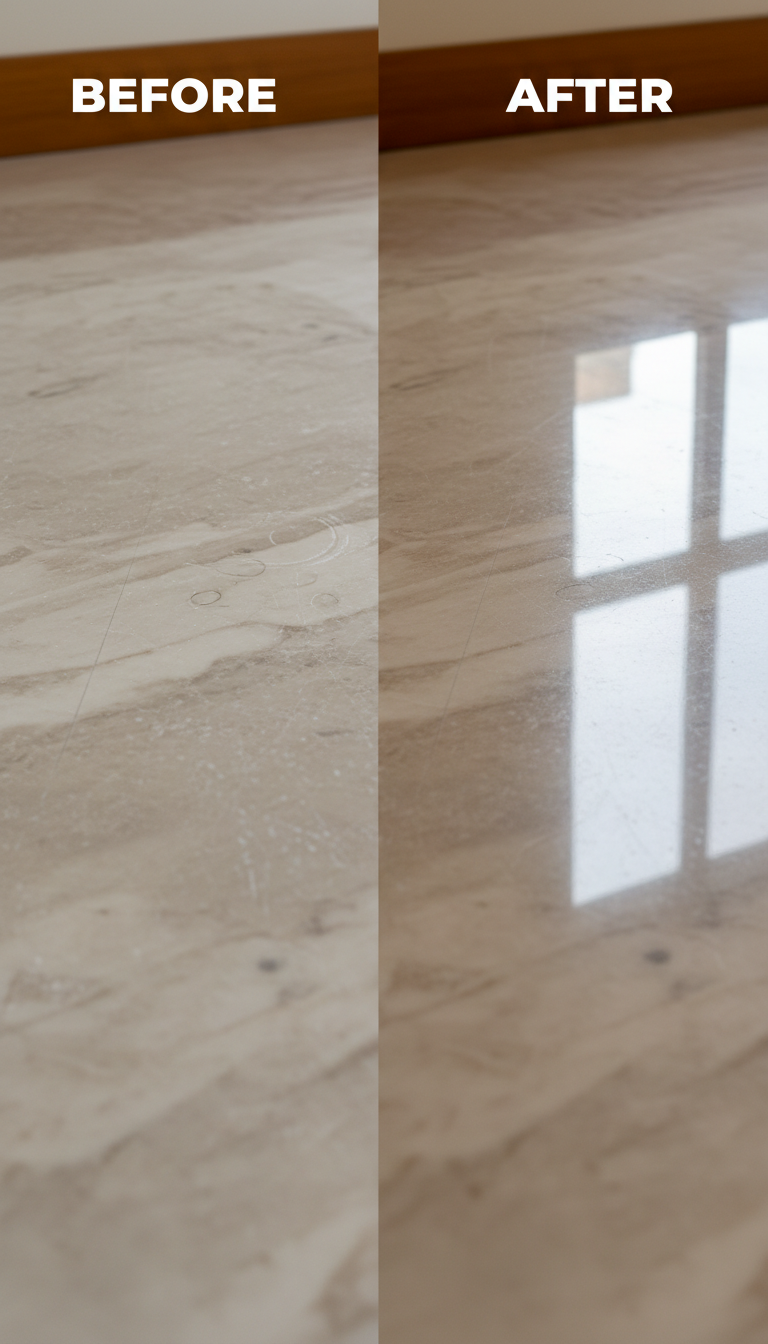
Understanding how often marble polishing Bangalore residents require for non-marble surfaces is equally vital for long term property value. While marble is a primary focus, our restoration and polishing of marble expertise extends to other stones found throughout Karnataka homes. Granite, often favored for high-use areas, possesses a significantly higher mineral hardness than marble. This density allows it to retain a finish for 2 to 4 years before requiring a professional floor refining contractor.
Kota stone, frequently installed in utility areas or stairwells, demands a different approach. To maintain its deep, natural color and prevent a bleached appearance, we recommend professional attention every 2 years. Mosaic floors, common in older Bengaluru bungalows, involve a specialized process of leveling and grout cleaning to address the unevenness that develops over time. These heritage surfaces generally need a full restoration every 3 to 5 years. Each stone type has a unique density that determines its specific wear rate, a detail we clarify during our complimentary service demonstrations.
Factors That Shorten the Life of Your Stone Polish
Several avoidable habits can drastically reduce the lifespan of a professional finish, making it difficult to predict exactly how often marble polishing Bangalore homeowners will require. A primary culprit in many Indian households is the use of harsh, acidic bathroom cleaners or concentrated generic detergents on natural stone surfaces. These substances react with the stone’s calcium carbonate, causing immediate chemical etching that dulls the surface and removes the protective seal. Furthermore, the common practice of using excessive water during mopping can be detrimental. In Bengaluru, the prevalent hard water contains high mineral levels; as the water evaporates, it leaves behind white mineral deposits known as efflorescence. This buildup traps dirt and clouds the stone’s clarity faster than natural wear.
Physical abrasion also plays a critical role in premature dulling. The fine grit carried in from footwear acts as a continuous sanding agent, especially in homes near active construction sites in developing neighborhoods. In residential living rooms, dragging heavy wooden furniture or metal-based sofas is a leading cause of deep scratches that bypass the surface polish and compromise the stone’s integrity. As a professional floor refining contractor, we often find that these mechanical and chemical stresses necessitate a more frequent restoration and polishing of marble than would be required under ideal conditions. To help you identify early signs of failure, we offer complimentary service demonstrations to evaluate the specific wear patterns on your floors.
How to Extend the Time Between Polishing Sessions
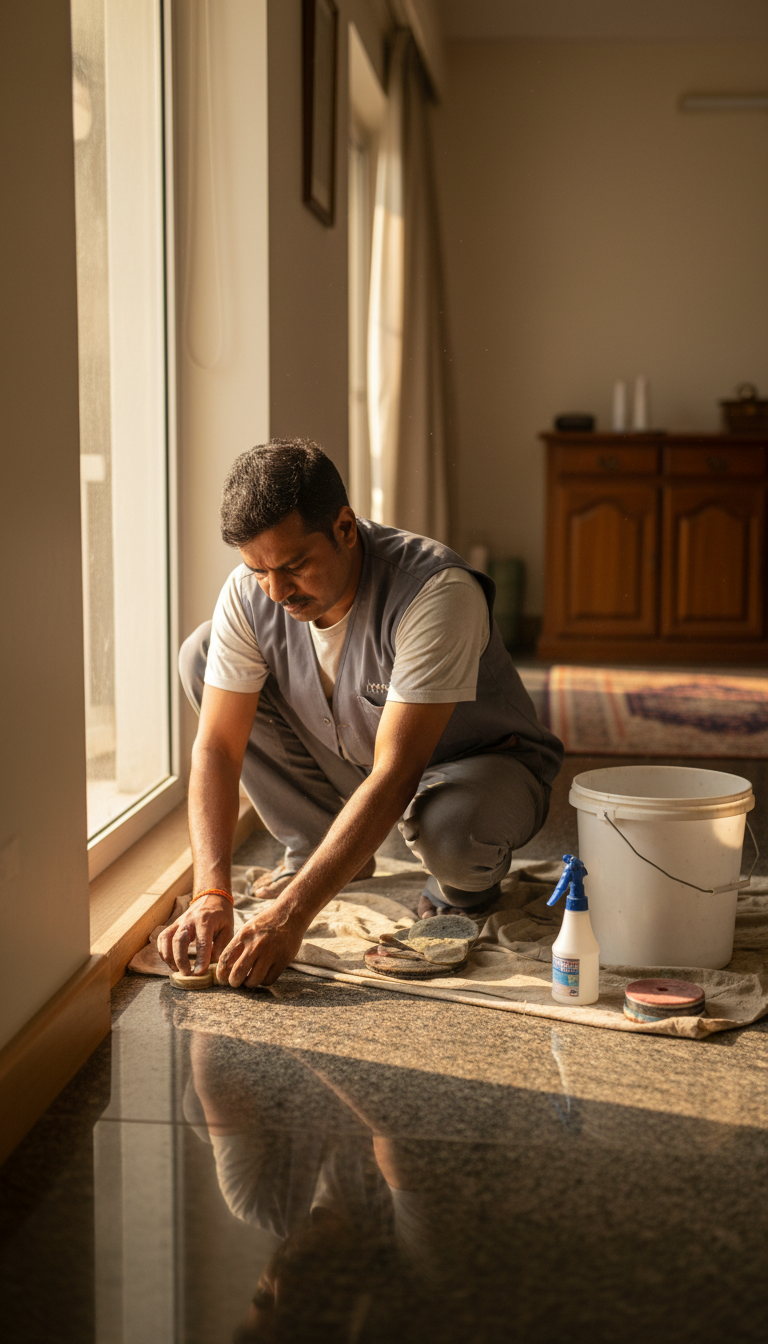
Preserving a high-gloss finish requires a shift from reactive cleaning to proactive preservation. The most effective daily habit is dry-mopping with a high-quality microfiber dust mop at least twice a day. This frequent removal of microscopic grit prevents the sandpaper effect that occurs when dust is ground into the stone by foot traffic. When wet cleaning is necessary, avoid generic floor cleaners, which are often too acidic or alkaline for natural stone. Instead, use only pH-neutral stone cleaners specifically formulated for marble to maintain the chemical balance of the surface.
Strategic placement of rugs and mats at every entry point serves as the first line of defense against Bengaluru's pervasive construction dust. By trapping silica and dirt before it reaches your living room, you significantly reduce the physical abrasion that dictates how often marble polishing Bangalore residents need to schedule. Beyond daily cleaning, professional sealing every 12 to 24 months is essential. This creates a subsurface barrier that prevents liquid absorption and staining, making future restoration and polishing of marble less intensive. As a professional floor refining contractor, we provide complimentary service demonstrations to teach homeowners correct mopping techniques and show how different sealants react with their specific stone type. This hands-on approach ensures your maintenance routine supports, rather than hinders, your floor's longevity.
Maintaining your marble floors in Bengaluru requires a balance of daily care and periodic deep polishing to counteract heavy foot traffic and dust. While consistent cleaning helps preserve the surface, professional intervention is often necessary to restore that original, mirror-like shine. If you want expert help keeping your stone in pristine condition, you can learn more about our approach to quality care. Our specialists understand the specific needs of local homes; we are always ready to provide the precise maintenance your flooring deserves.