Hard water marble damage Bengaluru is caused by high concentrations of calcium and magnesium that create stubborn mineral deposits and etch the stone's surface over time. Homeowners can mitigate these effects by using pH-neutral cleaners and scheduling periodic professional polishing to remove deep-seated stains and restore the stone's natural shine.
Many Bengaluru homeowners invest significantly in premium marble, only to watch it grow dull and cloudy within months of installation. The persistent white rings and gritty patches you see are not just dirt, they are mineral deposits from the city’s notoriously hard borewell water. Left untreated, these minerals penetrate the calcium carbonate structure of your stone; this leads to permanent etching that standard mopping cannot fix. In this guide, we will explain why local water supplies are so damaging, identify why common household cleaners like Harpic are actually your floor's worst enemy, and share professional strategies for restoration. You will learn how to distinguish between surface stains and deep damage, ensuring your home maintains the sophisticated finish it deserves.
The Silent Threat to Bengaluru Marble: Why Our Water Causes Damage
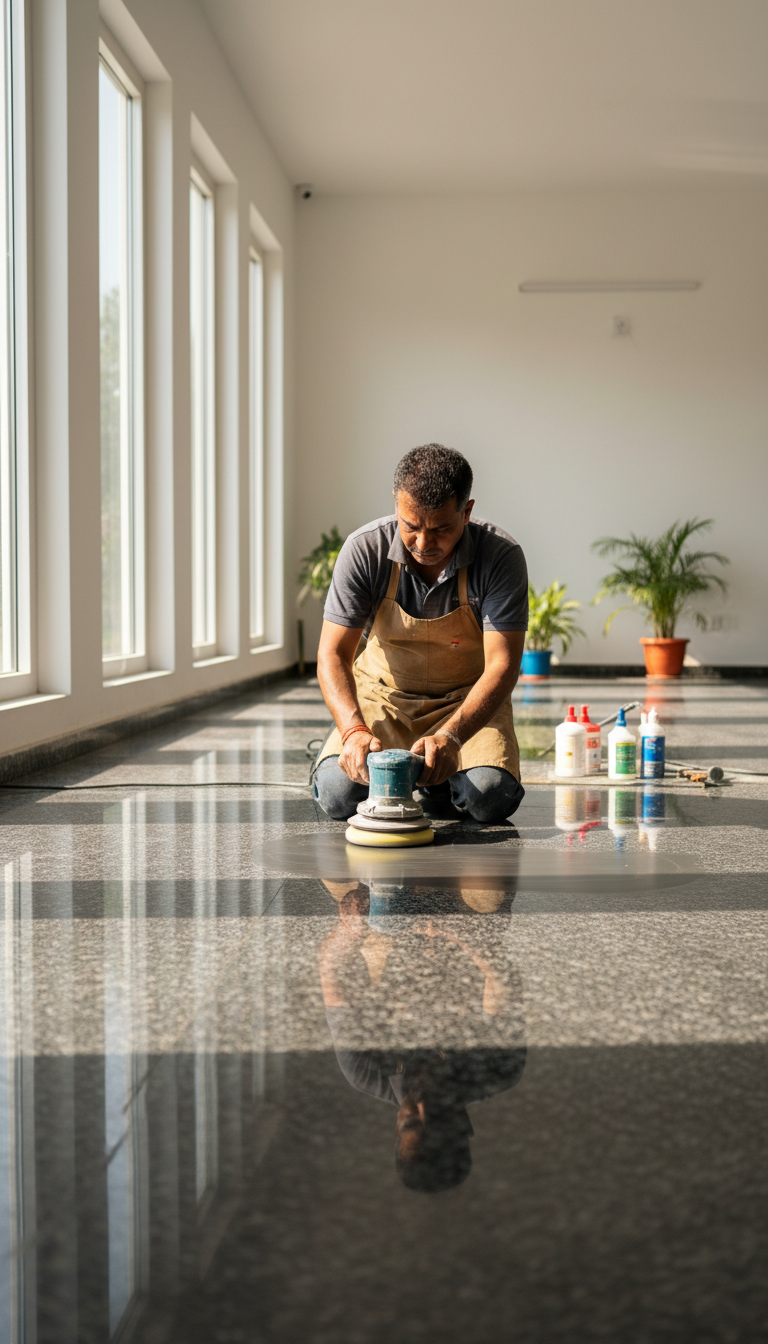
Living in Bengaluru presents a unique challenge for natural stone maintenance. The city's rapid expansion into neighborhoods like Whitefield, Sarjapur, and Electronic City has led to a heavy reliance on borewell water. This water is notorious for its high Total Dissolved Solids (TDS) levels, often containing high concentrations of dissolved calcium and magnesium salts. For a professional floor refining contractor, the most common issue we encounter is the chemical fallout of this mineral-heavy water on premium surfaces.
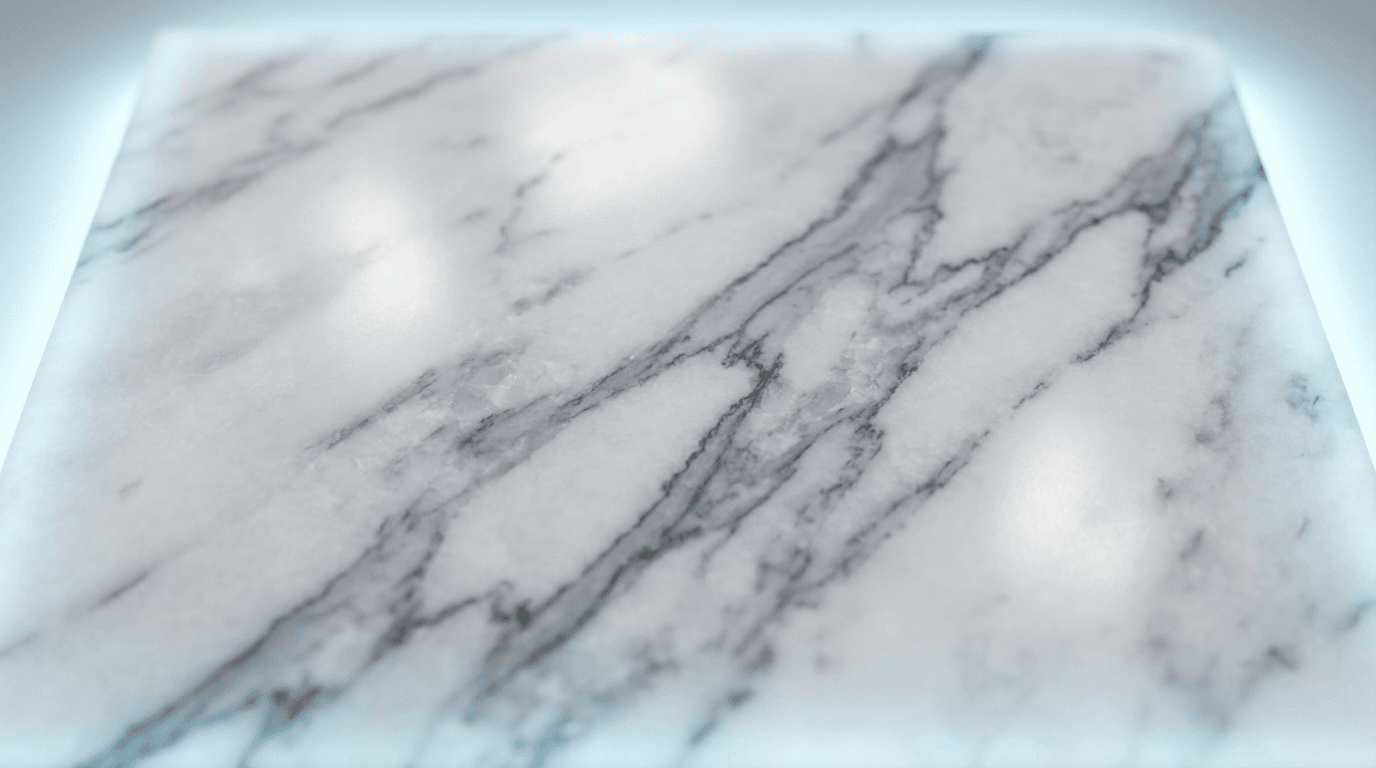
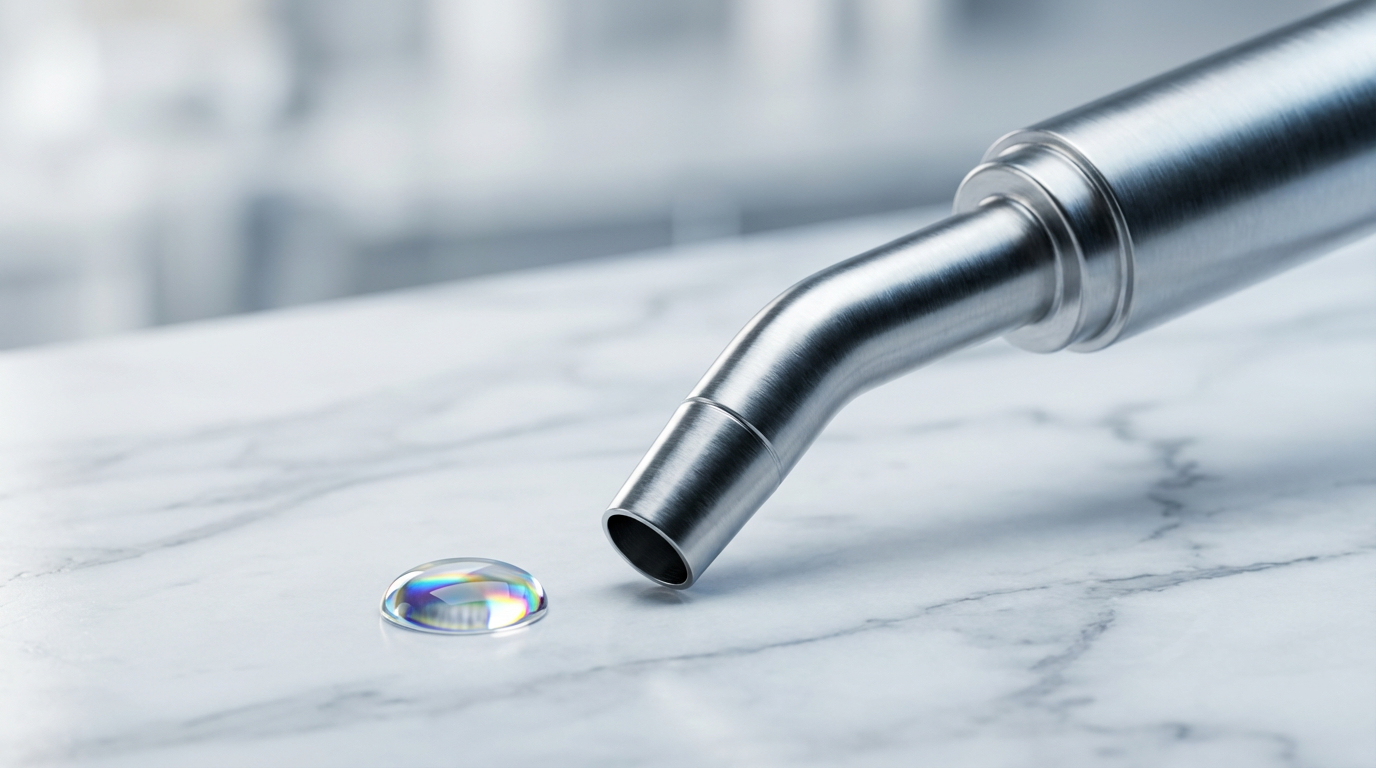
The science behind the damage is simple yet destructive. Marble is a metamorphic rock composed primarily of calcium carbonate. When hard water evaporates on the surface, the calcium and magnesium salts do not just sit there as a loose dust. Because they share a chemical affinity with the stone, these minerals form a molecular bond with the marble. Over time, this creates a crusty, stubborn layer known as limescale that obscures the stone's natural veins and luster.
This process of hard water marble damage Bengaluru homeowners face is more than a cosmetic nuisance; it is a chemical integration. While generic cleaning guides might suggest that water is harmless, the reality for local residents is that the mineral content in borewell water acts as a silent threat to the stone's integrity. If left unaddressed, these deposits can harden into a calcified shell that is nearly impossible to remove with standard household tools. Understanding this relationship is the first step toward effective restoration and polishing of marble. To accurately assess the state of your floors, we recommend taking advantage of free inspections and complimentary service demonstrations to see how deep the mineral bonding has progressed on your specific stone type.
Identifying Hard Water Spots versus Acid Etching
Distinguishing between mineral buildup and chemical damage is the first step in determining the correct restoration path. Many homeowners ask, does marble get ruined with water? Strictly speaking, pure water is not the culprit. The damage arises either from the minerals left behind after evaporation or from the aggressive cleaners used to tackle those spots. In Bengaluru, where high TDS levels are common, identifying the specific type of mark on your floor is critical for a professional floor refining contractor to apply the right treatment.
Hard water spots, or limescale, are additive. These are deposits of calcium and magnesium that sit on top of the stone. When you run your finger over a mineral spot, it will often feel slightly raised, rough, or gritty, appearing as white, crusty rings. In contrast, acid etching is subtractive. This occurs when an acidic substance reacts with the calcium carbonate in the marble, dissolving the surface layer. Etch marks look like dull, flat spots that are most visible when light reflects off the floor at an angle. These marks are not sitting on the stone; they are areas where the stone has actually been eaten away.
Feature | Hard Water Deposit (Limescale) | Acid Etch Mark |
|---|---|---|
Texture | Raised, crusty, or gritty | Smooth, flat, or slightly pitted |
Appearance | White, chalky rings or cloudy film | Dull, matte "ghost" mark |
Cause | Mineral evaporation from borewell water | Chemical reaction with acids (e.g., lemon, vinegar) |
Surface Level | Sits on top of the marble | Recessed into the marble surface |
Incorrectly identifying these marks can lead to further hard water marble damage Bengaluru residents often see when they use abrasive pads on etches. If you are unsure which issue is affecting your floor, we offer free inspections and complimentary service demonstrations to diagnose the surface and provide a clear plan for the restoration and polishing of marble.
Why You Should Never Use Harpic or Lizol on Marble Floors
When homeowners encounter stubborn mineral deposits, the immediate instinct is often to reach for powerful household cleaners like Harpic or Lizol. While these products are effective for ceramic toilets or porcelain tiles, they are catastrophic for natural stone. As a professional floor refining contractor, we frequently see floors where a single application of an acidic cleaner has caused more destruction than years of foot traffic.
The danger lies in the chemistry of the stone. Marble is essentially compressed calcium carbonate. Harpic and many variants of Lizol contain acids or harsh chemicals designed to strip grime from vitrified surfaces. When these acids touch marble, they trigger an immediate chemical reaction that dissolves the stone's surface on contact. This is not cleaning; it is a chemical burn. The result is a permanent etch mark that looks like a dull, rough patch where the polished finish once sat.
Attempting to fix hard water marble damage Bengaluru residents find on their floors with these substances creates a problem that household scrubbing cannot solve. Once the surface is chemically eaten away, only the restoration and polishing of marble using professional diamond grits can level the stone and bring back the shine. If you have already used these cleaners and noticed dull spots, we provide free inspections and complimentary service demonstrations to show how we can safely reverse the chemical damage.
How to Remove Light Hard Water Deposits at Home Safely
Avoiding acidic cleaners is the first step, but addressing the chalky rings left behind by mineral heavy water requires a gentler, more scientific approach. For light mineral buildup, a baking soda poultice is the safest DIY method. This technique is specifically designed for how to remove water stains from marble with baking soda without risking the structural integrity of the stone.
Clean the spot with a soft microfiber cloth and a pH-neutral stone soap to remove surface dust.
Mix baking soda with a small amount of water to create a thick paste, roughly the consistency of peanut butter.
Apply a layer about 1/4 inch thick over the mineral deposit.
Cover the area with plastic wrap and tape down the edges. This is a critical step; keeping the paste moist allows it to slowly draw the minerals out of the marble pores over several hours.
After 24 hours, remove the wrap, wipe away the paste with a damp cloth, and dry the area completely with a fresh towel.
This method only addresses additive buildup. If the surface feels smooth or pitted but looks dull, you are likely dealing with etching rather than a deposit. In cases of etching or extensive hard water marble damage Bengaluru homes often suffer from, a professional floor refining contractor is required. We provide free inspections and complimentary service demonstrations to help you determine if your floor needs deep restoration and polishing of marble or just a gentle surface cleaning.
The Borewell Water Factor: Why Bengaluru Floors Dull Faster
Bengaluru's water supply is a tale of two sources: Cauvery river water and underground borewells. For residents in rapidly developing zones, especially in North Bengaluru areas like Hebbal and Yelahanka, the heavy reliance on borewells introduces a high concentration of dissolved minerals that Cauvery water lacks. This mineral density is the primary driver of borewell water damage marble floors face across the city. Instead of the gradual wear expected over several years, premium floors in these areas often lose their mirror-like finish within six to eight months.
The high TDS (Total Dissolved Solids) levels lead to a micro-layer of mineral film that acts like a matte veil over the stone. In new constructions, we frequently observe a persistent, chalky residue that reappears shortly after mopping. This is not surface dust; it is a rapid accumulation of salts that smothers the light reflection of the marble. As a professional floor refining contractor, we find that this accelerated dulling often leads homeowners to believe their stone is low quality, when the water is simply outstripping the stone's natural resistance. When simple cleaning fails, only a professional restoration and polishing of marble can strip this mineral veil. We provide free inspections and complimentary service demonstrations to evaluate if your floor's dullness is surface-level residue or advanced mineral bonding.
When DIY Isn't Enough: Professional Marble Restoration in Bengaluru
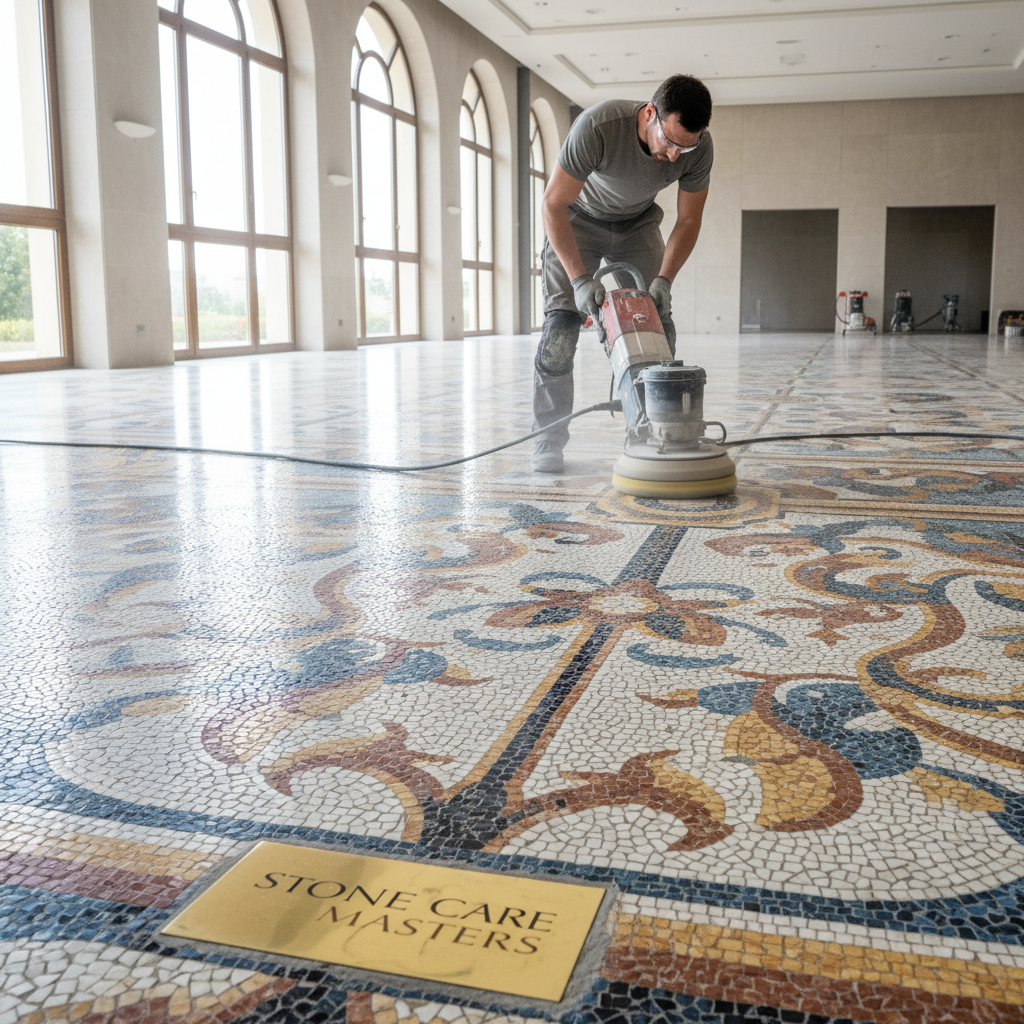
When mineral buildup transitions from a hazy film to a hardened, calcified crust, or when chemical contact creates deep etching, domestic cleaning methods lose their efficacy. At this point, the damage is no longer merely on the surface; it has altered the physical profile of the stone itself. As a professional floor refining contractor, we intervene when the chemical bond between minerals and calcium carbonate becomes too strong for manual scrubbing to break without scratching the marble.
The restoration process begins with diamond micro-abrasion, commonly referred to as honing. We use heavy-duty floor machines equipped with resin-bonded diamond discs to systematically sand away the microscopic layer of damaged stone. This step is precise; it removes just enough of the surface to eliminate deep-seated hard water marble damage Bengaluru floors frequently acquire, while also leveling out the recessed areas caused by acid etching. By stripping away this compromised layer, we reveal the fresh, uncontaminated stone beneath.
Following the honing phase, we perform mechanical polishing using progressively finer diamond grits. This sequence gradually closes the stone's pores and increases light reflectivity until a high-gloss finish is achieved. This is not a temporary wax or a topical coating; it is a mechanical refinement of the marble's own structure. To ensure homeowners are confident in the outcome, we provide free inspections and complimentary service demonstrations. We will polish a small, specific area of your floor to prove how our restoration and polishing of marble can reclaim the original clarity and depth of your stone before you commit to a full project.
Preventing Future Mineral Stains on Your Marble Surfaces
After investing in professional restoration and polishing of marble, the priority shifts to defensive maintenance. The most effective safeguard against recurring hard water marble damage Bengaluru homes face is the application of a high quality impregnating sealer. Unlike topical sealers that sit on the surface and eventually peel or discolor, impregnating sealers penetrate the stone's pores to repel liquids from within. It is vital to understand that sealing is not an impenetrable shield; it is a "time-buyer" that slows down absorption, giving you a critical window to clean spills before they bond.
Daily habits are equally important for long term clarity. Implement a strict "dry-it-off" rule in high moisture areas like bathrooms and kitchens, using a squeegee or microfiber cloth to remove standing water before it evaporates and leaves mineral crusts. For routine cleaning, always use pH-neutral stone soaps rather than generic floor cleaners. For a permanent solution to high TDS levels, consider installing a point of entry water softener to treat the borewell supply at the source. We provide free inspections and complimentary service demonstrations to help you choose the right maintenance routine and sealer for your specific stone type.
Frequently Asked Questions about Marble Care in Bangalore
Addressing specific concerns about hard water marble damage Bengaluru homeowners encounter requires clear, expert guidance. Below are the most frequent queries we receive at Affordable Marble Polishing.
How do I remove limescale from marble? For light surface deposits, use a pH-neutral stone soap and a microfiber cloth. For stubborn mineral rings, apply a baking soda poultice as described previously. If the limescale has calcified into a thick, hardened layer, manual cleaning often fails. In these cases, a professional floor refining contractor must use diamond honing to safely strip the minerals without scratching the stone.
Can I use vinegar on marble? No. Vinegar is an acid that reacts instantly with the calcium carbonate in marble, dissolving the surface and creating permanent etch marks. Never use vinegar, lemon juice, or citrus-based cleaners on natural stone.
Which liquid is best for marble floor cleaning? Always use a specialized, pH-neutral stone cleaner. Avoid generic household detergents, as their chemical composition can strip the stone's luster over time. If your floors have already become dull, we provide free inspections and complimentary service demonstrations to show how restoration and polishing of marble can revive the original shine and remove deep-seated mineral haze.